
Depression Test
A test to identify the presence and severity of depression.


According to a study by Gallup, only 23% of employees are engaged at work. This means the vast majority (77%) are not truly connected to what they do. While 'not engaged' doesn't always mean they 'hate' their jobs, it points to a large number of people who aren't finding fulfillment. A primary reason for this statistic is often an ill-fitting career choice.
The most effective way to find a career that satisfies your needs is through professional orientation testing. These tests identify the activities you enjoy most and match you with professions where you are likely to thrive. This test is particularly useful if you find yourself asking:
To begin your free career assessment, click the 'Start Test' button below:
Start TestPsychologist John L. Holland developed a theory that people and work environments can be classified into six basic types:
These 'doers' prefer working with objects, machines, tools, or animals. They are practical, often enjoy physical activity and working outdoors. Example careers: Engineer, Mechanic, Farmer, Construction Worker, Electrician.
These 'thinkers' love to observe, learn, evaluate, and solve problems. They are curious and independent. Example careers: Scientist, Programmer, Researcher, Analyst, Physician.
These 'creators' have a high need for self-expression. They are independent, original, and thrive in unstructured environments. Example careers: Artist, Musician, Designer, Writer, Actor.
These 'helpers' are dedicated to service, teaching, and curing others. They have strong communication skills and empathy. Example careers: Teacher, Psychologist, Social Worker, Doctor, Nurse.
These 'persuaders' like to lead and influence people for organizational goals or economic gain. They are ambitious and energetic. Example careers: Manager, Entrepreneur, Lawyer, Politician, Sales Professional.
These 'organizers' prefer structured tasks, order, and working with data or numbers. They are orderly, reliable, and detail-oriented. Example careers: Accountant, Secretary, Administrator, Librarian, Bank Clerk.
John Holland realized that by identifying which of these types appeal to a person most, it is possible to predict the career paths that will lead to long-term satisfaction.
This test measures the strength of each of these six types within you. Most people are a combination of types. Your career matches are based on your two most dominant traits.
Upon completion, you will receive a breakdown of your personality scores and a tailored list of up to 1,200 professions (200 per type).
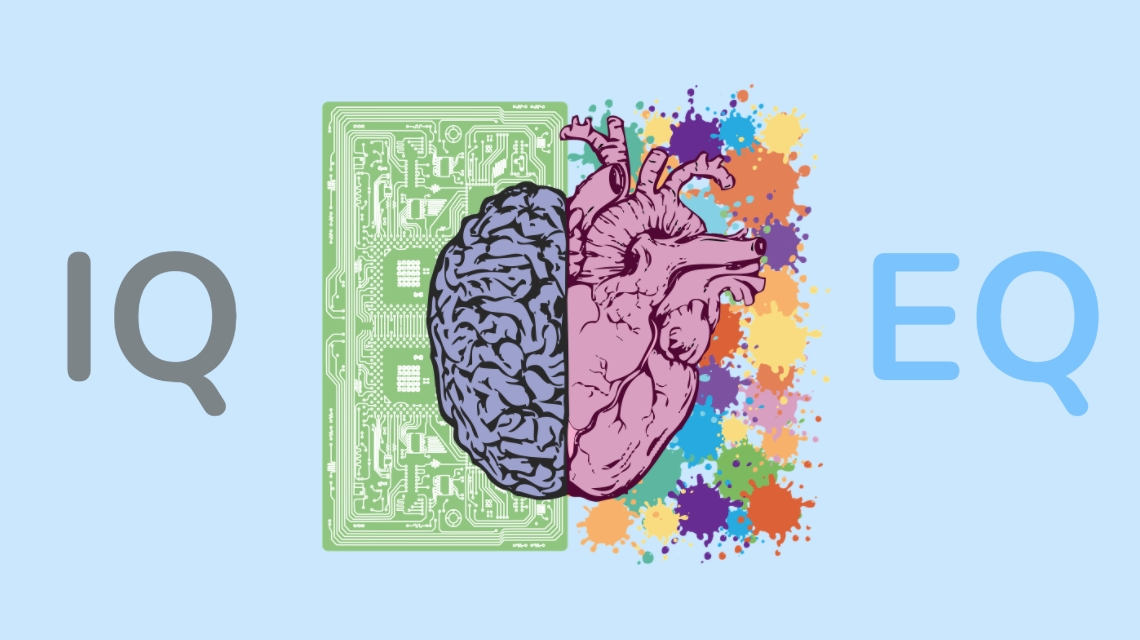
As long as the test-taker is honest with themselves and aware of their genuine desires, these tests are highly accurate. Individuals with lower emotional intelligence might struggle to recognize their core needs, which can impact the results. However, this only applies to a small percentage of the population.
While automation and AI cause concern, the outlook isn't as bleak as it seems. Sociologists suggest that the roles most 'at risk' are those primarily involving repetitive routine and manual labor.
In manual labor, automation is easiest in agriculture, construction, and mass manufacturing. However, if you enjoy working with your hands, there is hope! Many trades require human adaptability that machines cannot yet replicate. This includes specialized repair work (Plumbers, Electricians, Watchmakers) and craft-based services where every task is unique (Hairdressers, Custom Tailors, Jewelers).
Routine intellectual jobs are also facing pressure, including roles like basic translation, copy-pasting, or certain types of digital production.
Professions that are least likely to be automated include:
These professions are only truly at risk if Artificial General Intelligence (AGI) is achieved—but in that scenario, the entire concept of employment would change for everyone, not just for specific sectors.
Yes and no. While the test itself focuses on personality fit rather than salary data, it provides a massive list of 1,200 professions. If financial compensation is a priority, you can use our results as a shortlist to research which of your compatible careers offer the best market rates.
Self-teaching a new career is challenging but achievable with the right strategy. First, identify the 'core' skills—the 20% of knowledge that will give you 80% of your results. Use an 'immersion' method: surround yourself with industry information, network with professionals, and apply your knowledge through practice immediately.
Resource selection is vital. Instead of hoarding dozens of courses, find a few highly-rated, proven materials. Treat it like learning to drive: you don't need to read the entire history of the internal combustion engine; you need to focus on what makes the car move. Focus on high-utility knowledge and view mistakes as data points rather than failures.
Finally, build a community. Learning in a vacuum often leads to burnout. Join professional forums, find a mentor, seek internships, or even document your journey in a blog. Feedback and peer support are often the difference between giving up and turning a theory into a career.
A test to identify the presence and severity of depression.

A test to determine your personal chronotype.

A test to measure your levels of optimism and pessimism.
A test to assess your level of emotional intelligence.