
Depression Test
A test to identify the presence and severity of depression.


A chronotype is more than just a tendency to fall asleep and wake up at a certain time; it is a crucial factor in your productivity, as it determines the specific times of day when you are most effective.
Night owls, for instance, are most productive in the late afternoon and evening. Therefore, people with this chronotype should ideally schedule their most demanding work for later in the day to achieve the best results. The productivity of each chronotype is primarily driven by the production of serotonin, a hormone responsible for motivation.
Start TestScientists generally identify three main chronotypes:
It is worth noting that the vast majority of people are not "pure" representatives of a single chronotype.
Additionally, during adolescence and early adulthood (ages 14 to 25), a person's chronotype is typically shifted toward the "night owl" end of the spectrum.
Let's take a closer look at each chronotype:
Larks find it easy to wake up early in the morning, but they feel significant drowsiness in the evening, which prompts them to go to bed early. Larks typically start feeling sleepy around 8:00 – 9:00 PM and usually wake up naturally between 4:00 – 5:00 AM.
Motivation and energy peaks for larks occur in the first half of the day. In the afternoon, they tend to feel fatigued. Therefore, it's best for them to handle important work in the morning and leave routine, less critical tasks for the afternoon.
The Early Bird is considered the most "convenient" chronotype, as modern society's schedules are predominantly designed around their rhythm.
Night owls are the complete opposite of larks; they prefer to go to bed late and wake up late. It is often difficult for owls to fall asleep before 2:00 AM, which is why they frequently struggle in today's world with conventional work and study schedules. On the bright side, night owls often demonstrate high levels of creativity and divergent thinking.
Peak productivity and motivation for owls occur in the late afternoon and especially in the hours before sleep. Unfortunately, this schedule is not always compatible with traditional societal norms.
Interestingly, the author of this website is a night owl themselves and is writing these very lines at 3:00 AM! :)
The "dove" chronotype is characterized by the ability to adapt its sleep schedule to circumstances. Essentially, doves represent the middle ground between larks and owls. If given the freedom to choose, they typically prefer to go to bed around 10:00 PM and wake up between 6:00 – 7:00 AM. Most people belong to this chronotype.
Evolution developed chronotypes (individual differences in the body's daily rhythms) as an adaptive mechanism to help living beings survive and function efficiently in alternating day and night cycles. These traits emerged when humans lived in primitive tribal settings. Here are the main evolutionary advantages:
A test to identify the presence and severity of depression.

A test to determine your personal chronotype.

A test to measure your levels of optimism and pessimism.
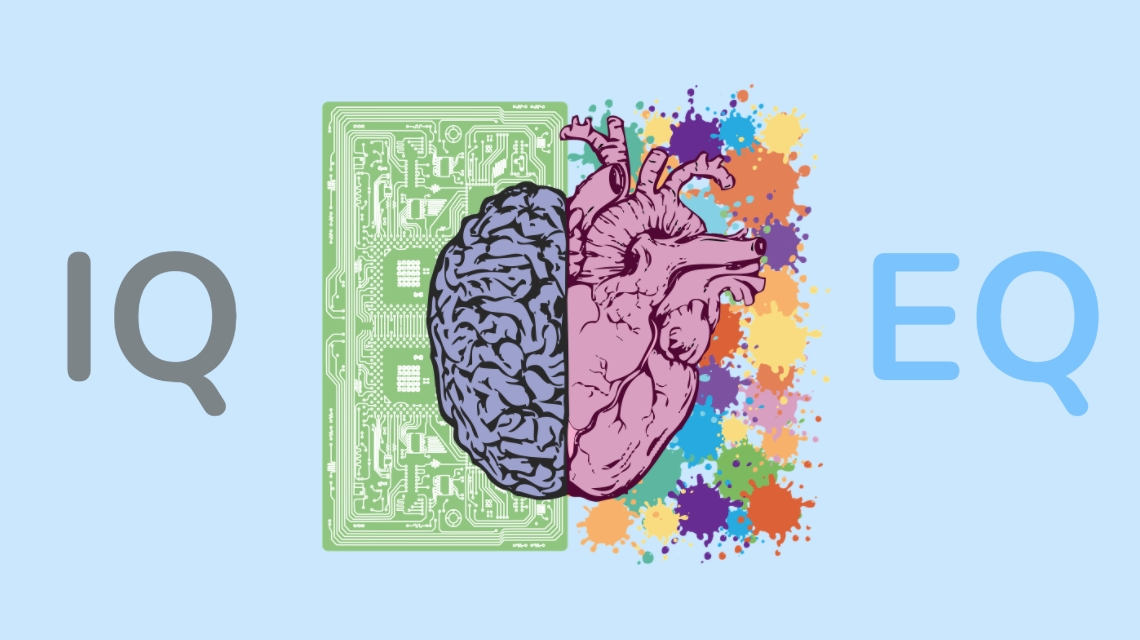
A test to assess your level of emotional intelligence.