
Depression Test
A test to identify the presence and severity of depression.


Only about 10% of people are considered true realists. The vast majority of the population—around 60%—are optimists. The remaining 20% lean toward pessimism.
Our test accurately determines your position on the optimism-pessimism spectrum.
Start TestAn optimist is someone who views the world in a positive light. In most life situations, they maintain hope and faith in a favorable outcome. They are generally positive, self-confident, and convinced that the future will bring good results. Furthermore, optimists tend to attribute failures to external circumstances rather than personal flaws.
Scientific research suggests that optimists often enjoy better health due to lower stress levels. Optimism also boosts motivation, as self-belief plays a crucial role in achieving goals.
Sanguine and choleric temperaments are more likely to exhibit optimistic traits. By the way, you can also take our temperament test to learn more about your personality type.
Key traits of optimists:
Pessimists are individuals who tend to see the negative aspects of life, anticipate unfavorable outcomes, and focus on problems rather than opportunities. Pessimism is often linked to higher levels of anxiety and a predisposition to low moods.
Pessimism is frequently associated with a melancholic temperament. It can also be a symptom of various psychological conditions, such as depressive personality disorder, clinical depression, burnout, anxiety disorders, substance dependency, or passive-aggressive behavior.
Interestingly, some research suggests that pessimists may perceive the world more realistically than optimists. However, this 'depressive realism' isn't necessarily an advantage. Evolution favored optimism for a reason: in the past, an optimistic mindset helped our ancestors survive and persevere. Thus, from an evolutionary standpoint, optimism is considered a healthier state of mind.
Key traits of pessimists:
Realists are people who combine traits of both optimists and pessimists. They base their judgments on facts, logic, and actual circumstances, striving to avoid overly emotional or subjective assessments.
They share a lack of inherent negativity with optimists, while sharing a sober, grounded evaluation of situations with pessimists.
A test to identify the presence and severity of depression.

A test to determine your personal chronotype.

A test to measure your levels of optimism and pessimism.
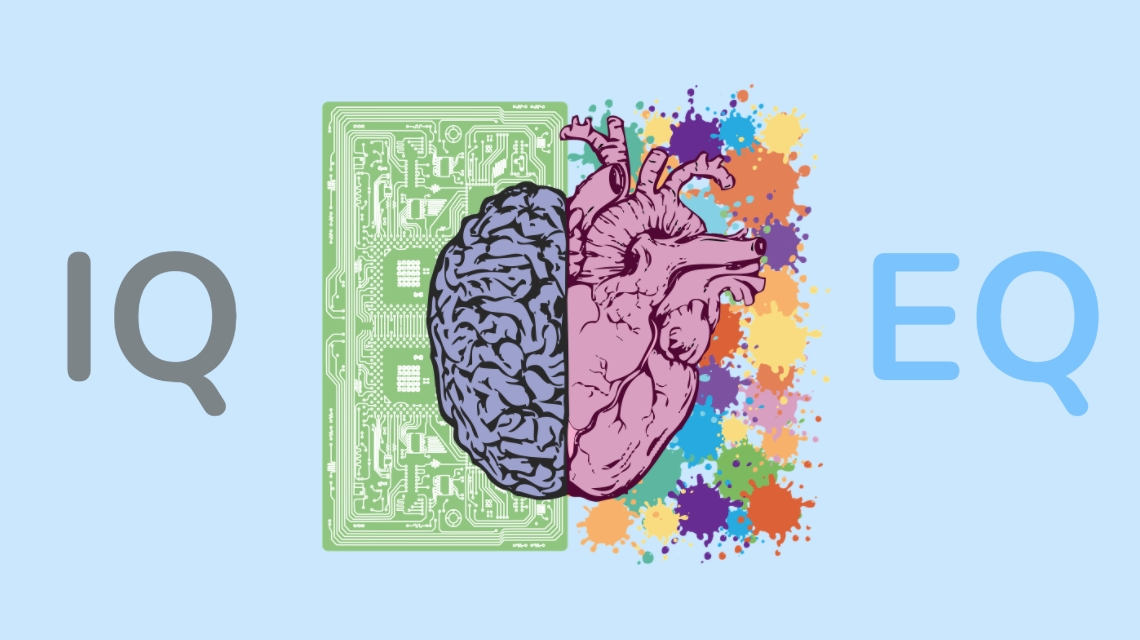
A test to assess your level of emotional intelligence.