
Depression Test
A test to identify the presence and severity of depression.


It was once believed that the difference between extroverts and introverts simply came down to one group loving social interaction and the other avoiding it. In reality, the fundamental difference lies in where a person draws their energy (vitality and inspiration) from. Extroverts gain energy through interaction with others; if they are alone for too long, they may start to feel drained. Introverts, on the other hand, recharge by spending time with themselves. If an introvert spends too much time in social settings, they become exhausted and need solitude to regain their energy.
Few people realize that besides extroverts and introverts, there are also ambiverts. Ambiverts fall somewhere in the middle. They can enjoy their time both in social circles and in solitude.
Modern psychology suggests that purely introverted or extroverted individuals are rare. Most people possess traits of both temperaments, though one usually dominates the other. Our quiz will help you determine the balance of introverted and extroverted traits in your personality. To begin our free online test, click the 'Start Quiz' button.
Start QuizYou don't need to know the details of every temperament to take our free quiz. Upon completion, you will receive a detailed description of all three types: introverts, extroverts, and ambiverts.
However, if you'd like to explore Jung's personality types before taking the test, let's look at each one:
Extroverts are people who gain energy while interacting with others. They thrive on social activities: celebrations, public events, hanging out with friends, and parties. Typically, extroverts have a wide circle of friends and acquaintances whom they involve in various aspects of their lives, such as sports, hobbies, or self-development. Careers involving high levels of human interaction are ideal for them, such as: teacher, doctor, actor, entertainer, singer, stylist, sales consultant, politician, or interviewer.
Key traits of extroverts include:
Introverts are people who recharge their energy in solitude. Unlike extroverts, prolonged social interaction can be draining for them. It is important not to confuse introversion with shyness or a dislike of people. An introvert can be confident, an excellent communicator, and the life of the party, but they will eventually need 'me-time' to recover their energy.
Key traits of introverts include:
Introverts are encouraged to choose activities that allow for focus. Examples of ideal hobbies include painting, genealogy, reading, gaming, or crafting. While they can engage in active social hobbies, they should plan for downtime afterward. Recommended career paths often include: software developer, sculptor, jeweler, systems administrator, scientist, chemist, or architect.
Ambiverts are individuals who display traits of both extroverts and introverts.
Ambiverts are often seen as more flexible and balanced than pure types, as they can function effectively in both social and solitary environments. Their main traits include:
A test to identify the presence and severity of depression.

A test to determine your personal chronotype.

A test to measure your levels of optimism and pessimism.
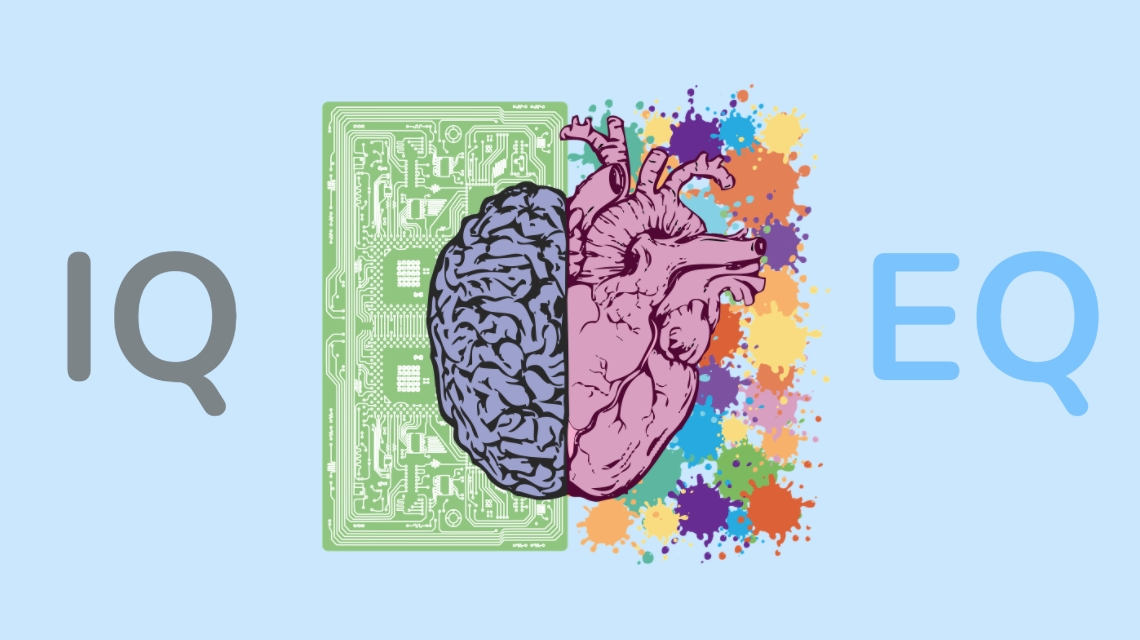
A test to assess your level of emotional intelligence.