
Depression Test
A test to identify the presence and severity of depression.


Scientific research suggests that exclusively homosexual and exclusively heterosexual individuals each make up only about one percent of the population. In the scientific community, it is widely recognized that the vast majority of people fall somewhere along the bisexual spectrum (including bi-curious heterosexuals and homosexuals).
Our test goes beyond simple labels; it maps your position on the hetero-bi-homosexual spectrum. Additionally, it assesses the degree to which you may identify with asexuality.
Start TestAs mentioned, individuals who fit purely into one category are rare. However, for clinical and psychological clarity, four primary types of sexual orientation are generally identified.
In psychology, homosexual individuals are those who prefer people of their own gender for sexual and romantic relationships.
This category also includes 'bi-curious' homosexuals—those who generally prefer their own gender but are open to experimenting with the opposite gender.
Heterosexual individuals are those who prefer people of the opposite gender for sexual and romantic relationships.
This includes 'bi-curious' heterosexuals—those who primarily prefer the opposite gender but are open to experimenting with their own gender.
Bisexuals are individuals attracted to both their own and the opposite gender to a similar degree. Bisexuality can be viewed as the middle ground between heterosexuality and homosexuality. It is also important to note that preferences may differ between romantic feelings and sexual attraction.
Asexual individuals experience little to no sexual attraction to any gender. While they may not feel a need for sexual activity, this does not necessarily mean they avoid relationships altogether. Many asexual people enjoy romantic relationships without a sexual component. Some individuals may also identify as both asexual and aromantic (having no desire for romantic relationships).
Our test is based on the Sexual Orientation Scale developed in 2020 by researcher Sagayaraj Kanagaraj and Professor C. N. Ram Gopal.
The test measures various dimensions of sexual orientation. Your results are determined by the proportions and intensity of these aspects, placing you on both the hetero-bi-homosexual and the sexual-asexual scales.
The dimensions measured include:
While core orientation is generally considered stable, one's perception of it can evolve. Cultural constraints often prevent people from fully recognizing their orientation early on. An individual might experience attraction to their own gender but suppress it if such relationships are stigmatized in their environment. Over time, as a person gains self-awareness or new experiences, they may 'come out' or identify differently; this is usually a process of discovery rather than a change in the orientation itself.
Biological sex refers to physical attributes, gender identity is one's internal sense of being male, female, or another gender, and orientation describes romantic and sexual attractions. These are distinct concepts. While medical transitions can align one's physical body more closely with their gender identity, core identity and orientation are not typically subject to change.
The prevailing scientific consensus is that sexual orientation is not a choice. It is believed to be determined by a complex interplay of biological and psychological factors that are still being studied.
A test to identify the presence and severity of depression.

A test to determine your personal chronotype.

A test to measure your levels of optimism and pessimism.
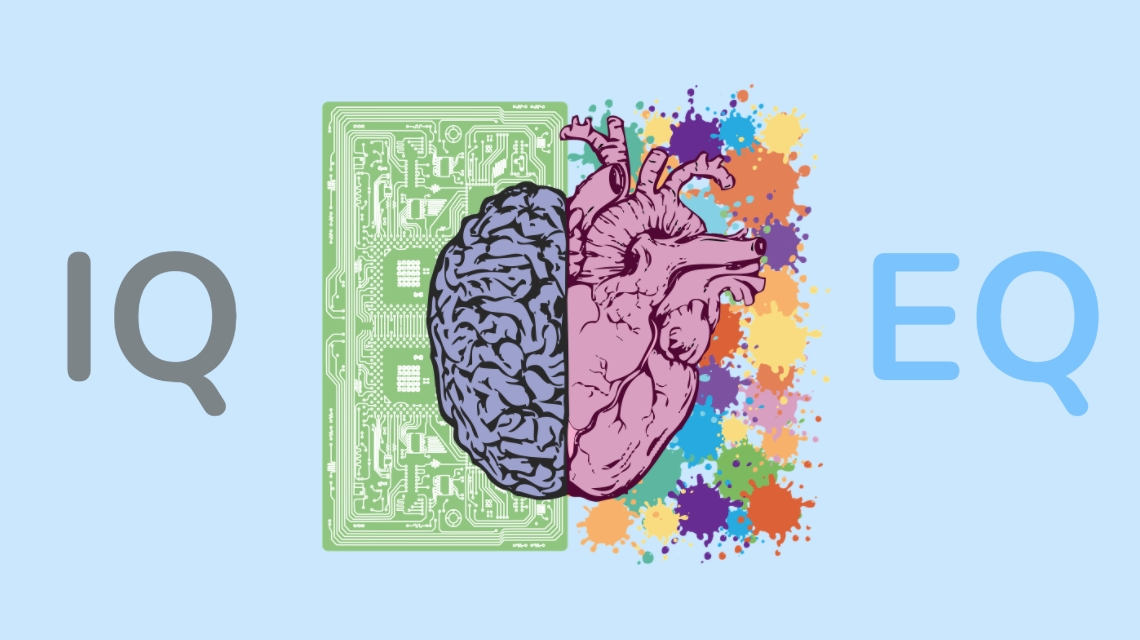
A test to assess your level of emotional intelligence.