
Depression Test
A test to identify the presence and severity of depression.


Statistically, between 7 and 13 percent of people suffer from social anxiety disorder at some point in their lives (according to DSM-5 and epidemiological studies).
Our free test will help you identify the extent to which social anxiety affects you.
Start TestSocial anxiety disorder (social phobia) is an anxiety disorder characterized by significant fear and anxiety in specific social situations (conversation, public speaking, interacting with others).
A person with social anxiety fears being the center of attention, being judged, or being embarrassed in front of others. Key features include: fear of judgment, avoidance of anxiety-provoking situations, and physical symptoms (trembling, sweating, blushing). Social anxiety significantly impacts quality of life, hindering career growth, personal relationships, and friendships.
To determine if you have social phobia, you can examine its symptoms. Social anxiety manifests on three levels: emotional, physical, and behavioral.
Emotional symptoms include: fear of judgment, intense self-criticism, constant worry, low self-esteem, and intrusive thoughts.
Physical symptoms include: rapid heartbeat, a 'lump in the throat' sensation, sweating, blushing, tremors, nausea, dizziness, and shortness of breath.
Behavioral symptoms include: avoiding social gatherings, difficulty communicating, and an inability to perform certain tasks in public (like eating, drinking, or using public restrooms).
It's important to note that a diagnosis doesn't require having all of the above symptoms; even a few can be significant indicators.
Self-diagnosis isn't always reliable, so we recommend using our free online social anxiety test instead. This test is based on the Liebowitz Social Anxiety Scale developed by Dr. Michael Liebowitz. You can take the test by clicking the button below:
Start TestRegardless of the method you choose, we recommend consulting a mental health professional (psychotherapist or psychologist) for formal diagnosis and treatment planning.
Social phobia can develop during childhood, adolescence, or adulthood. The causes may vary depending on the age of onset.
The most evidence-based method for treating social anxiety is Cognitive Behavioral Therapy (CBT). CBT helps identify and change negative thought patterns and behavioral responses that fuel anxiety. Patients learn to recognize and challenge irrational thoughts about themselves.
CBT can also be conducted in a group setting. Group therapy is often more cost-effective than individual sessions and provides a safe, controlled environment to practice social skills with others facing similar challenges, helping you realize you aren't alone.
In most cases, social anxiety is a chronic condition that unlikely to resolve without professional intervention. It is a serious state that typically requires structured treatment.
Yes, these are two very different terms. A person with social anxiety (social phobia) fears social interaction, whereas a 'sociopath' (a term often used for Antisocial Personality Disorder) refers to someone characterized by a lack of empathy, conscience, and high impulsivity. Unfortunately, these terms are often incorrectly used as synonyms in popular culture.
A test to identify the presence and severity of depression.

A test to determine your personal chronotype.

A test to measure your levels of optimism and pessimism.
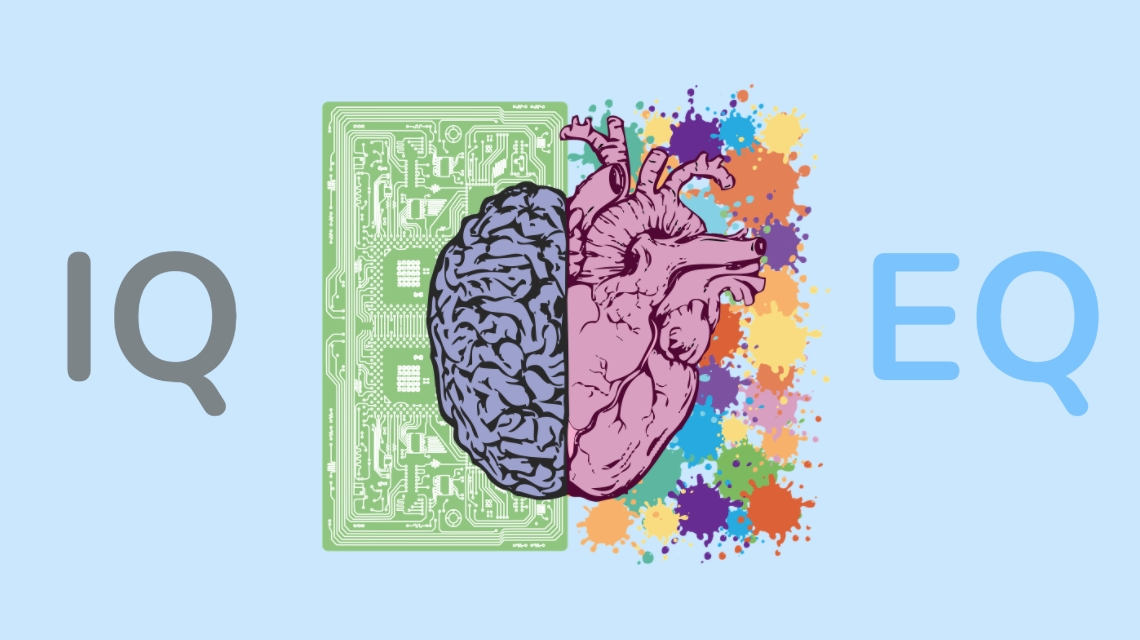
A test to assess your level of emotional intelligence.